
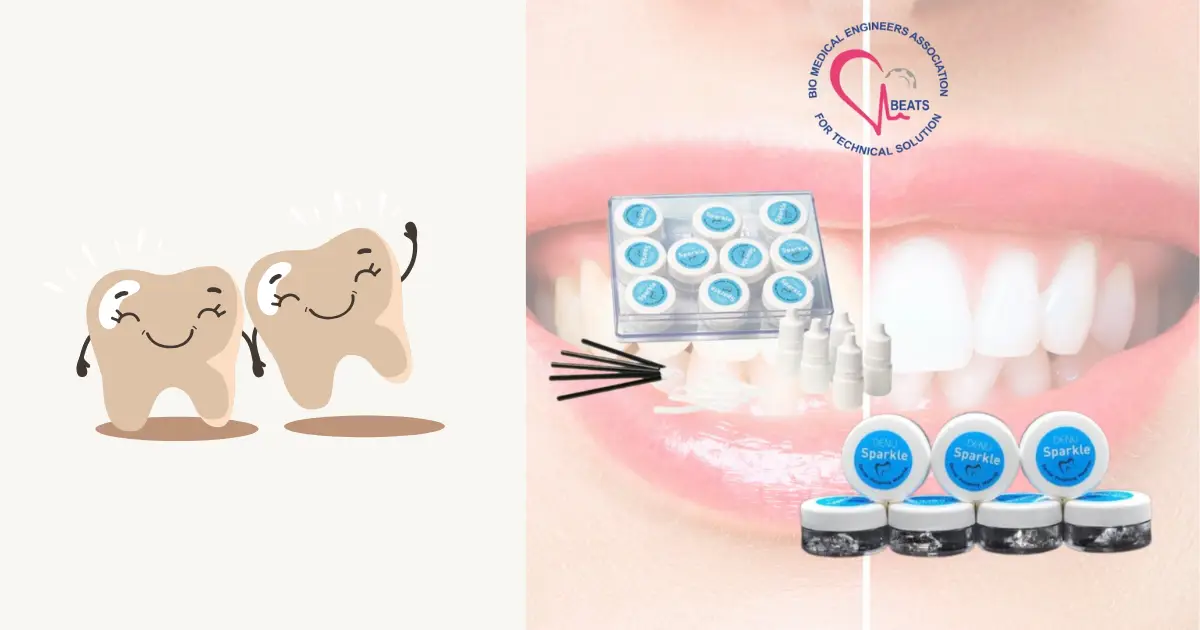
Teeth Whitening: A Complete Guide to a Brighter and Healthier Smile
Teeth whitening has become one of the most popular cosmetic dental treatments worldwide, helping people achieve a brighter smile and improved confidence. Whether done in a dental clinic or using at-home products, whitening treatments aim to reduce stains and discoloration caused by food, drinks, aging, and lifestyle habits. Understanding how teeth whitening works, its benefits, and the safest methods can help you choose the right approach for your smile.
What Causes Teeth Discoloration?
Teeth naturally lose their brightness over time due to several factors. One of the main causes is the consumption of staining substances such as coffee, tea, red wine, and soda. These drinks contain pigments that gradually attach to the enamel, the outer layer of the teeth.
Smoking is another major contributor to yellow or brown stains. Tobacco contains tar and nicotine, which deeply stain teeth and are difficult to remove with regular brushing.
In addition, aging plays a natural role. As enamel wears down over time, the yellowish dentin layer beneath becomes more visible. Poor oral hygiene, certain medications, and even genetics can also affect tooth color.
Professional Teeth Whitening Treatments
One of the most effective ways to achieve noticeable results is through professional whitening performed by a dentist. This method uses stronger bleaching agents compared to over-the-counter products, allowing faster and more dramatic improvements.
In-office whitening treatments often involve applying a hydrogen peroxide gel to the teeth, sometimes activated with a special light or laser. The procedure typically takes about 45 minutes to an hour, and results can be seen immediately after treatment.
Dentists may also offer custom take-home whitening kits. These include specially fitted trays and professional-grade whitening gel, allowing patients to whiten their teeth gradually over a few days or weeks.
At-Home Whitening Options
There are many over-the-counter products available for teeth whitening, including whitening toothpaste, strips, gels, and pens. These products are more affordable but generally take longer to show visible results.
Whitening toothpaste works by removing surface stains using mild abrasives. Whitening strips contain peroxide-based gel and are applied directly to the teeth for a specific period each day. While convenient, these methods are usually less powerful than professional treatments.
Benefits of Teeth Whitening
A whiter smile can significantly boost self-confidence and improve appearance. Many people feel more comfortable smiling, speaking, and interacting socially after whitening their teeth.
In addition to cosmetic benefits, maintaining white teeth often encourages better oral hygiene habits. People who invest in whitening treatments tend to take better care of their teeth to preserve the results.
Is Teeth Whitening Safe?
When done correctly, teeth whitening is generally safe. However, some people may experience temporary tooth sensitivity or gum irritation. This is usually mild and fades after treatment is completed.
It is important to follow instructions carefully and avoid overusing whitening products, as excessive bleaching can damage enamel over time. Consulting a dentist before starting any whitening treatment is always recommended.
Conclusion
Teeth whitening is a simple and effective way to enhance your smile and improve confidence. With options ranging dr hana dentist from professional dental treatments to at-home solutions, there is a method suitable for almost everyone. By understanding the causes of discoloration and choosing the right whitening approach, you can achieve a brighter, healthier-looking smile safely and effectively.